Category: Uncategorized

  • Is your horse mentally prepared?

    Mental training is an important aspect of any athlete’s training program, our horses are no exception! Just like us, they benefit from mental preparation when it comes to performing at their best. We all have ‘off days’ but here’s some ways to help ensure our horses are mentally and physically prepared.

    Increase focus and attention.

    There are many reasons why we may lose focus when trying to complete a task, and that is no different for our horses! Every horse is an individual and will have varying stimulators for motivation as well as distractions. In most cases though, training does come down to quality over quantity. As the horses training session lengthens, if it is not being stimulated by the work, it is likely the quality will decline and distractions become more prominent. Keeping our training schedule varied and having a plan in place before we saddle up can help keep each session fresh and invigorating for our horse, thus maintaining their focus and concentration.

    Increased confidence.

    There is nothing better than feeling confident for the performance you are about to produce, and preparation is the best way to get there! To give our horses the best confidence, they need to have had ample preparation. It isn’t fair to bring our horse into work after a break and take them straight to a competition with only a handful of rides. Not only are they unprepared physically, but mentally they are unfit and out of routine. The same is applied in the sense of over facing our horses, they may be of good fitness, but (for example) taking them out to jump a height or perform at a level higher than what you have been training at home, isn’t setting them up for success, and has a huge potential to decrease their confidence.

    Communication.

    A big part of creating confidence and being able to measure such , is effective communication between horse and rider. The way we ride when we train at home should best emulate the way we ride at a competition- which is easier said than done! However, making sure our communication methods are clear and consistent, and using the same tools to achieve this communication (whether it’s type of bit/noseband/spurs etc) between home and at competition, will assist in increasing confidence and decreasing stress and pressure that can arise from the competition environment.

    Reward.

    One of the most important aspects of training – REWARD! If our horses are not rewarded, they can not distinguish if what they have done is correct, and this can loose motivation to replicate that outcome. We know that in our own life , negativity and perhaps even a lack of recognition can become very deflating and consuming mentally – same goes for our horses. Rewards and praise should be given regularly and on the immediate instance of performing a desired action. Rewards come in many forms, the best understood for horses is release of pressure, voice commands/sounds, pat/scratch or treat are also commonly used.

    Making sure our horses are best prepared for success with primed physical and mental preparation can make a huge difference to our performance potential. Striving to increase our horses concentration and confidence are 2 major components in reaching this goal, but it is not achieved without our own effective planning, communication and of course- provision of rewards!

  • Colts or Geldings?

    Deciding to geld your colt or stallion is a very personal decision. There can be many reasons for making the decision ie: breed, discipline, facilities and/or experience.

    Colts can be gelded as soon as both the testicles have descended. This could be as early as 3-4 months, and is commonly noted at 6-12 months. Occasionally only 1 will descend which is referred to as a Rig or Cryptorchid. This is generally not a problem, but does require more specialised surgery to remove.

    Some of the pluses and minuses for gelding at a young age include:

    – delaying can lead to colts developing more ‘stallion’ like behaviour which can take longer to subside the older they are.

    – The older the colt, the more developed they are, meaning increased size and blood supply to the scrotum. This can lead to complications such as increased bleeding and swelling post surgery.

    – Most castrations are performed under general anaesthesia. It is less risky to recover a smaller/younger horse than a larger/mature colt.

    – Younger horses will heal faster given the smaller amount of tissue and scrotum involved.

    After care for your gelding is most important. You should monitor your gelding closely for the 1st 24-48hrs, checking for excessive bleeding (bleeding should stop within the first couple of hours post surgery, a small drip is fine but anything more, you should contact your vet ASAP). They should remain in a clean environment (grass yard) for the 1st 24hrs then be encouraged to exercise and/or move around in a small paddock to help prevent excess swelling and reduce the risk of infection.

    They should have vital signs checked regularly and if there are any signs of increased temperature, abnormal swelling or lameness, contact your vet.

  • Breeding rather than buying?

    Buying ready made horses are not cheap. Depending on the level and potential you’re looking for, these are big factors in the prices you can expect to pay.

    Producing these horses takes time and expertise, which is what adds value. This doesn’t always fit into everyone’s schedule/time frame.

    Do you pay the price for someone else’s expertise and time, or do you have a smaller startup cost, and be patient with the time it will take?

    Either way it will cost you. There are positives and negatives to both situations.

    The choice is yours 😉

  • A Stable Routine

    We all have routine in our lives, and we usually have our horses on a regular routine without even realising it, do they appreciate this, is it even good for them??

    Horses are creatures of habit and love routine, they thrive on it. Most of us would know we don’t even need a clock to know when it’s feed time, they’re usually standing by their feeder or waiting at the gate, they have the most amazing internal alarm clocks! They know their schedules better than we do, what time they’re fed, when they’ll be exercised and if you’re late to turn them out.

    The reason for this is is it provides them security, they get anxious by the unfamiliar. Horses are prey animals and have the fight or flight response built into them, a regular and consistent routine keeps them calm and relaxed. For example if you have a nervous or highly strung horse sometimes even the smallest break in their normal habits will instinctively cause them some anxiety. They get anxious and stressed so by trying to keep things regular you can help lower that stress and make them feel safe and comfortable. The mental well being of your horses isn’t the only thing that benefits from being consistent, it helps their overall health. Many nervous horses can suffer from gastric ulcers and keeping them calm and relaxed is a good 1st step to help keep that under control.

    It isn’t always possible to be on time every day, life does get in the way, or perhaps you might be away at a competition. Trying to keep things to a similar routine as you can to daily home routines can help alleviate any stress or nerves your horse may suffer whilst in a strange environment. It is good practice to make any changes to stable routine gradually to help minimise stress, changing feed times or when you turn your horse out should be done slowly to allow them to adapt gradually.

    A good routine isn’t just a benefit for the horse either, it leads to a well run organisation, where things won’t be missed or forgotten. Remember your horse looks to you for its care and comes to rely on the consistency you provide, you make them feel safe and happy and they provide you with enjoyment in return 🦄

  • Preparations for a new season

    It can be hard working on your own, so it is important to set yourself small achievable goals so you can start your day with a sense of purpose and finish with a sense of achievement. Think about the bigger picture and your aims for the future, also don’t be afraid to give yourself a break. Have a cup of coffee and regroup. I personally like to listen to podcasts while I’m doing chores such as tack cleaning or paddock maintenance. It’s also important you don’t just work all the time. Go see friends or do a different activity to give you a change of scene.

    Never be ashamed to take a step back, listen carefully to what your horse is telling you. If you’re doing a lot of work in the arena, try going out for a hack. Lots of exercises can also be done on a ride out and maybe that will help your horse understand what you’re asking. It’s likely not a step back, just a different approach.

    Young horses also benefit from short breaks and days off, they can also get tired and have brain ache. They often come back really well after some quiet time.

    Comparing yourself with others is never helpful as everyone is on a different path. Your path is right for you and if you’re focused on learning and just trying to be better than you were the day before, you’re so much better off than being afraid to try.

  • Cazimi RJ3

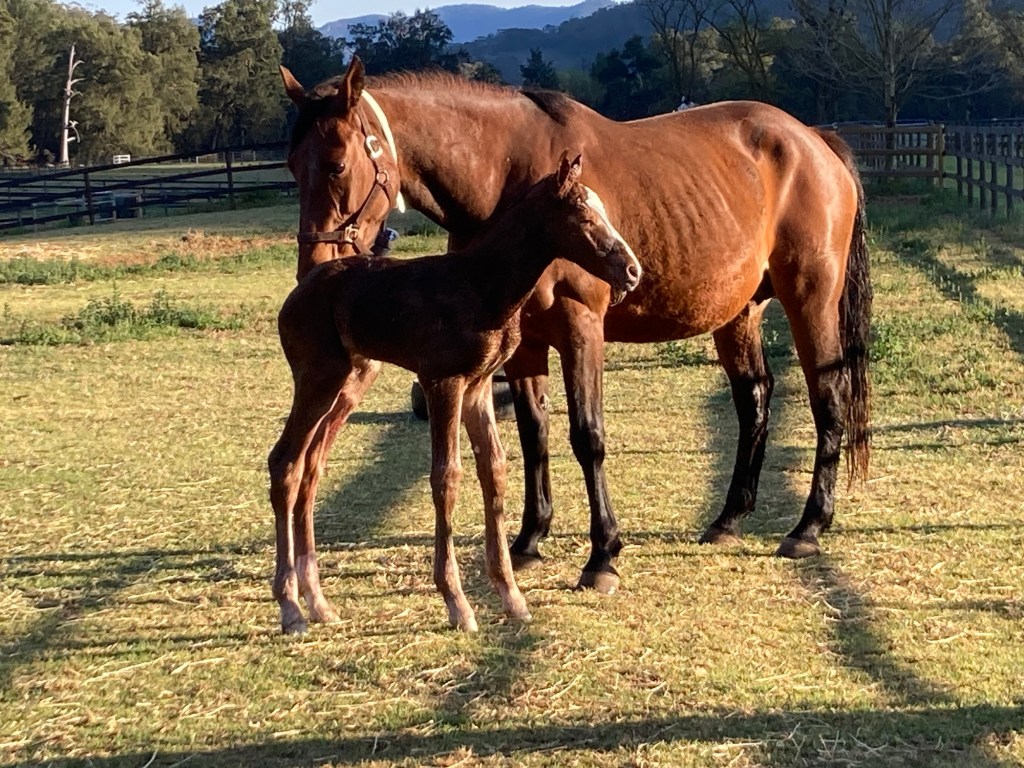
    ASB Conquistador (Clinton x Heartbreaker) x Charcoal RJ3 (Caracas x Levenmouth Impeccable) 18/9/23

    All the planets needed to align for this (not so) little guy to be here – and they did 💫🙌

  • Haliae RJ3

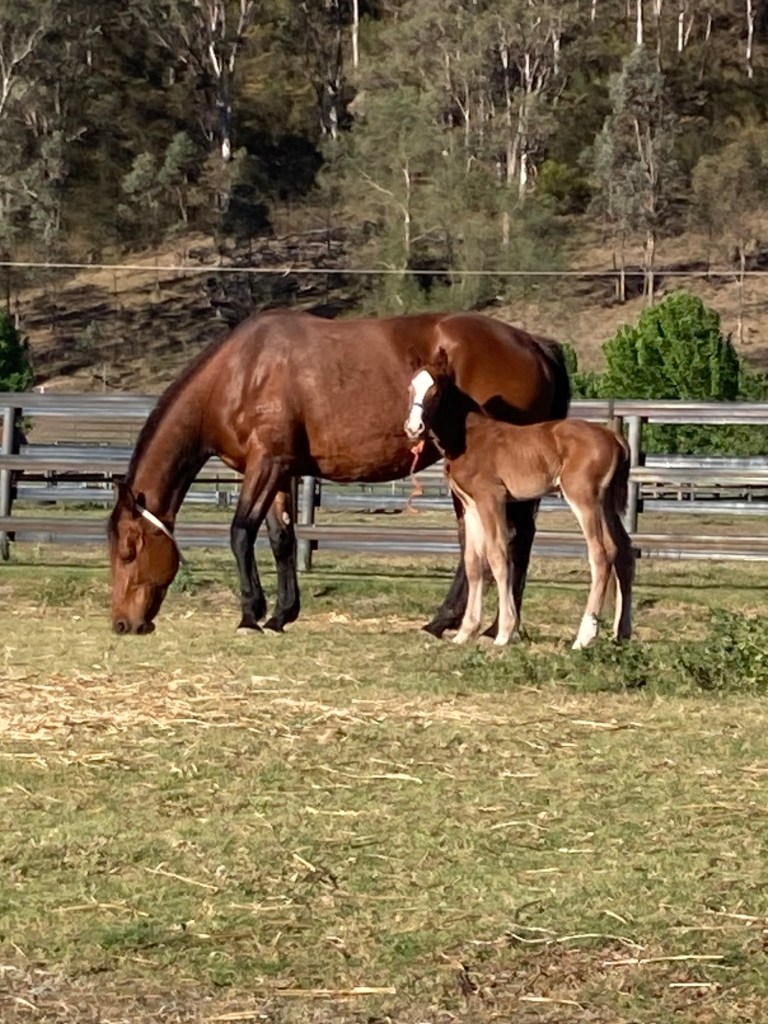
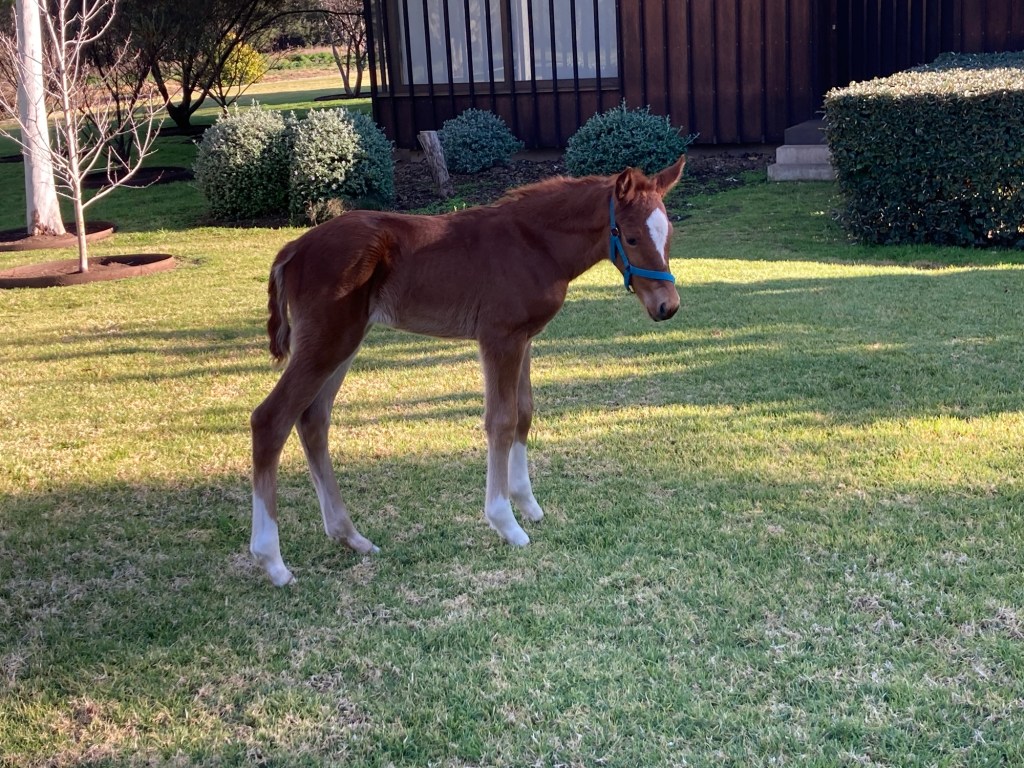
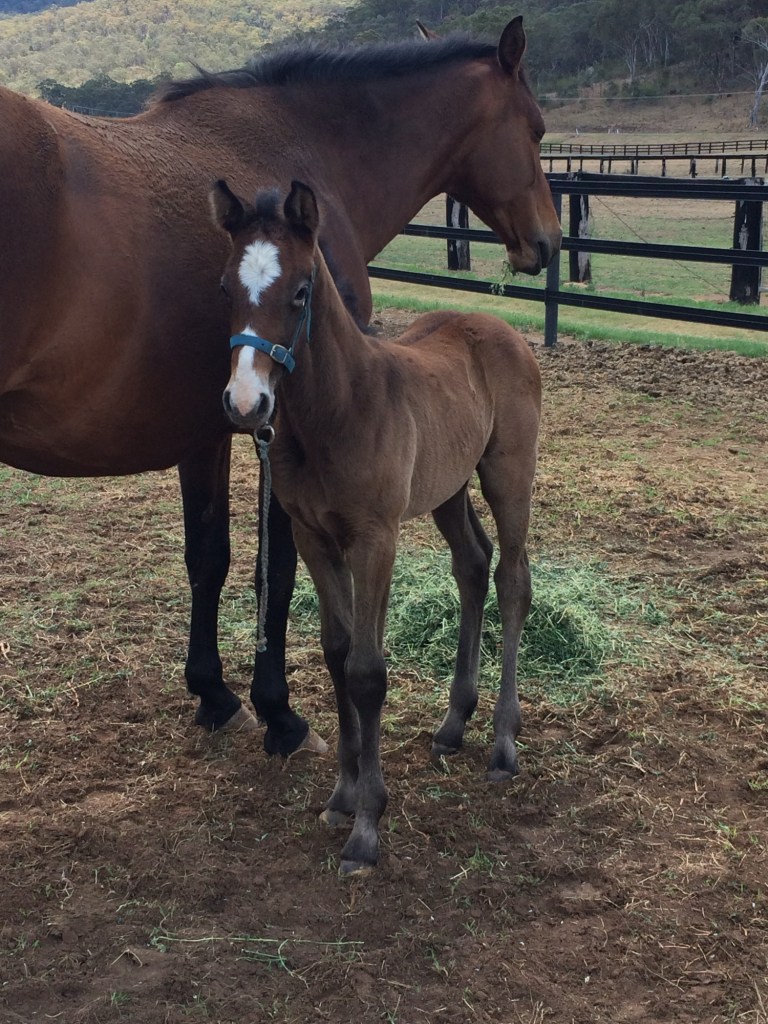
    Higgins (Heraldik x For Pleasure) x Cliche RJ3 (Caracas x Renegade z) Born 4/9/23

    Haliae has been bred and born at RJ3 sport horses for Jess Jasper.

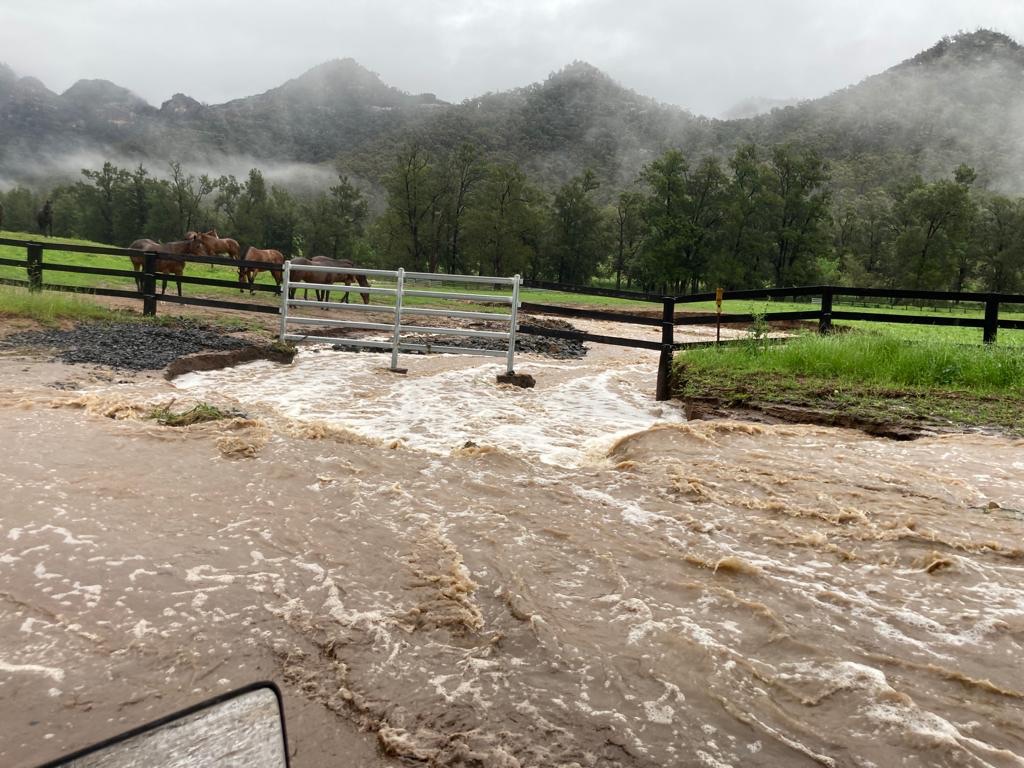
    Haliae is a water spirit, this name was chosen as we were experiencing significant flooding at the time of this breeding!

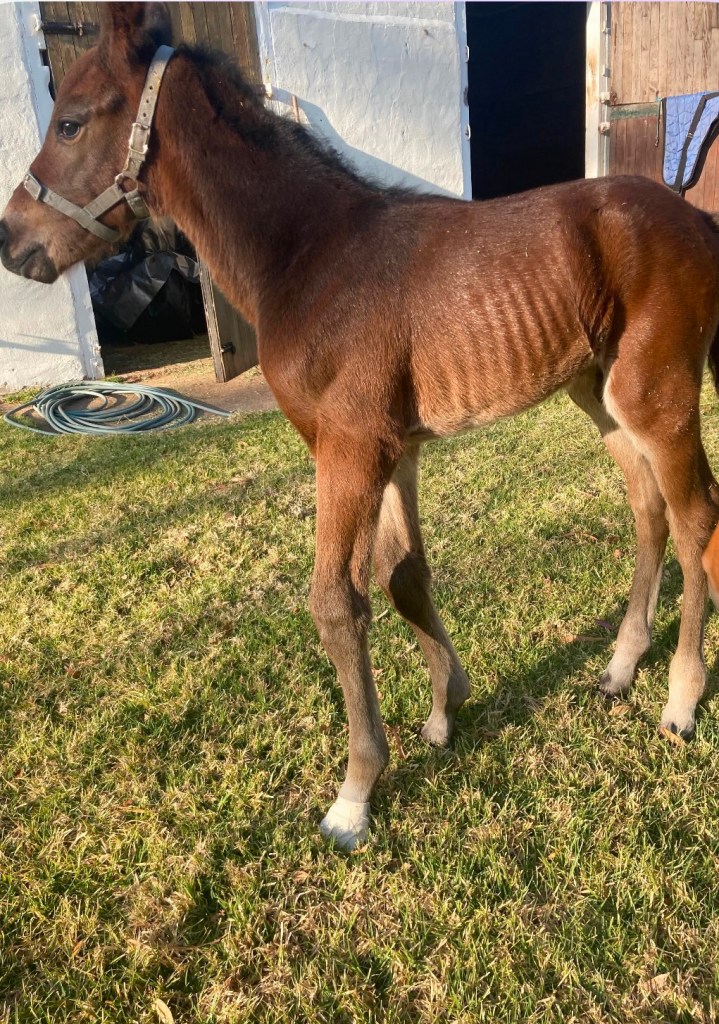
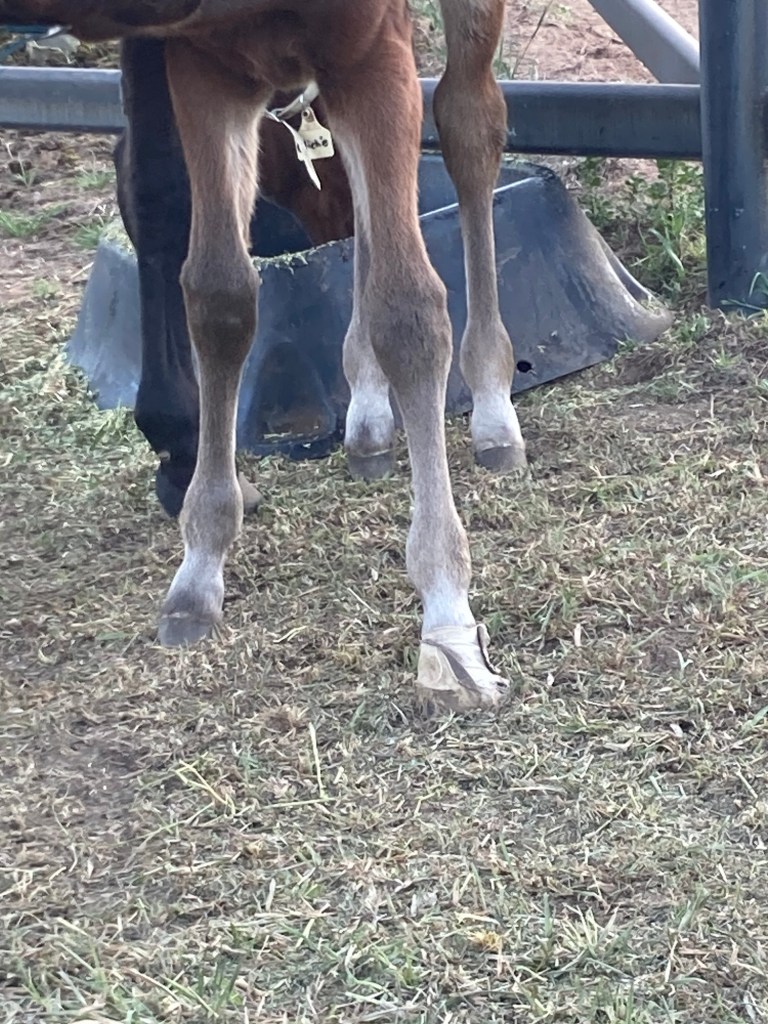
    Haliae was born with some minor limb deviations. His near front is bowing out at the knee and turning in at the fetlock. He is also over at both knees. He was windswept behind left to right, but as he strengthened this came right within a few days.

    Early intervention at a young age can see huge improvement in minor deviations.

    Haliae has had a lateral extension taped on (he’s too young for it to be safely glued) this will support his knee and encourage his fetlock to come back out.

    With him being over at the knee, if he exercises to much he gets very unsteady and shaky. He was kept stabled and the mare taken out to graze while he exercises for 20-30mins twice daily while he gets stronger.

    With the early intervention and close monitoring, he has grown into a lovely individual with a trusting nature that will ensure, with caring management, he becomes the best he can.

  • Crimson Tourmaline RJ3

    Cabochon (Emerald x Cristallo I) x Charcoal RJ3 (Caracas x Levenmouth Impeccable) Born 18 August 2020

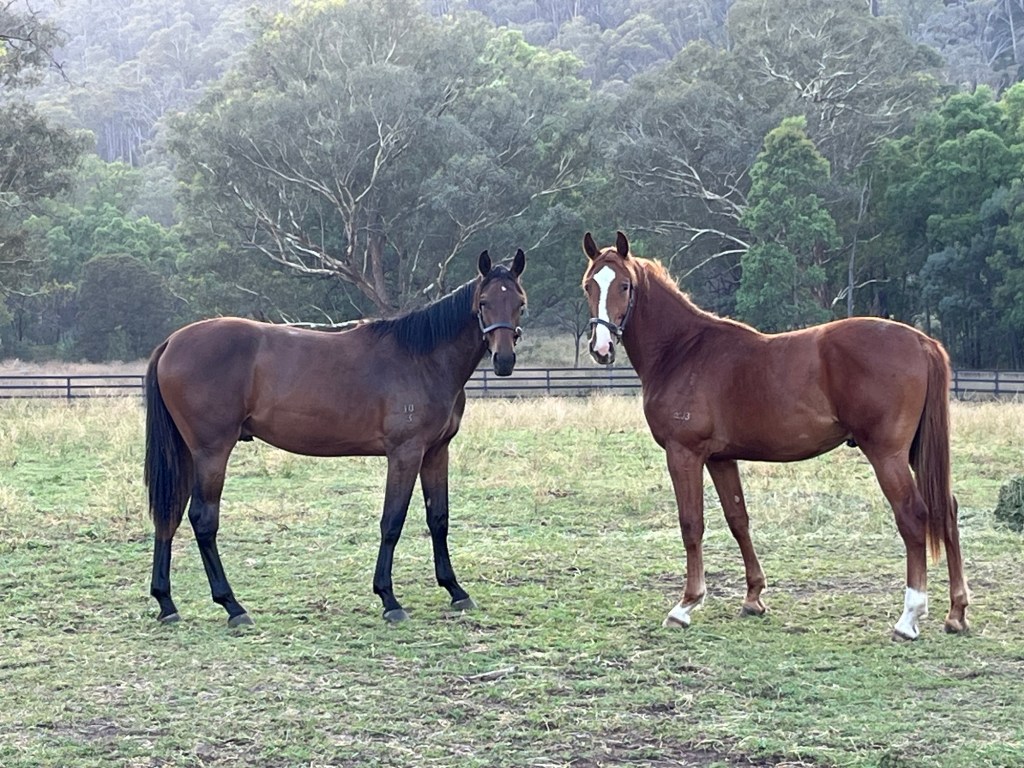
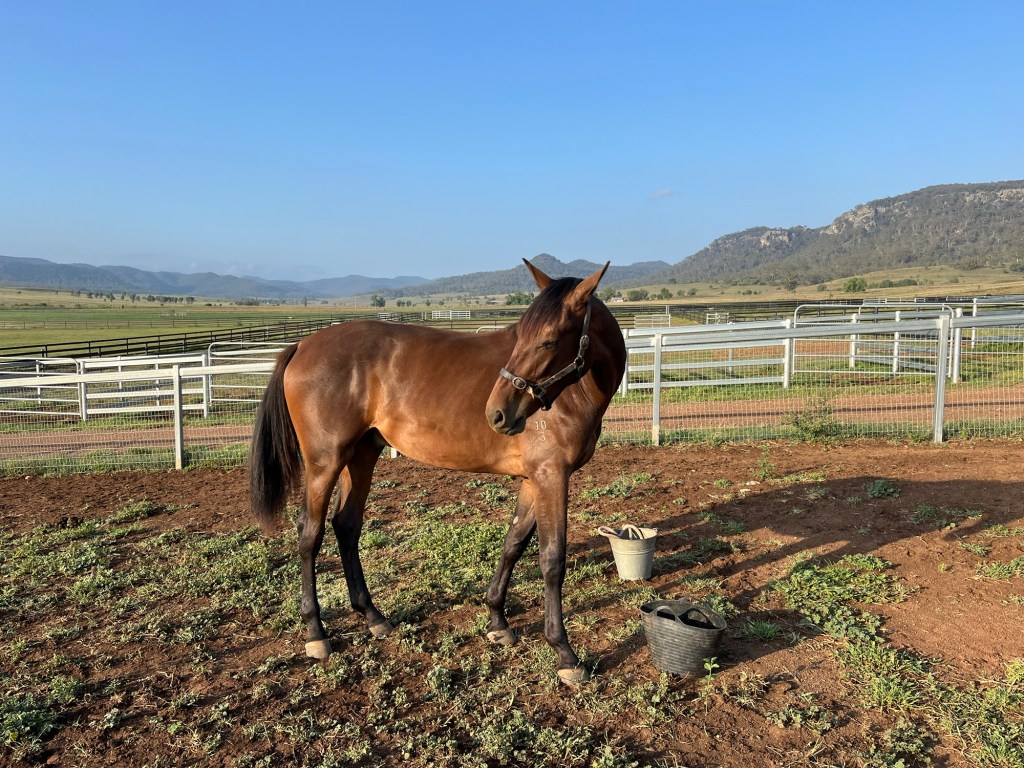
    ‘Torri’ currently the youngest ridden horse of the future stars. She attended her 1st training rounds at the end of 2024, which she handled like a pro. She had been included at a few training days prior just to be ridden around, and experience the atmosphere without any pressure. Young horses benefit greatly from short ‘preps’ of learning how to be grown up and then going back to the paddock to be a horse. Torri is another exciting youngster to look forward to🤞

  • Californication RJ3

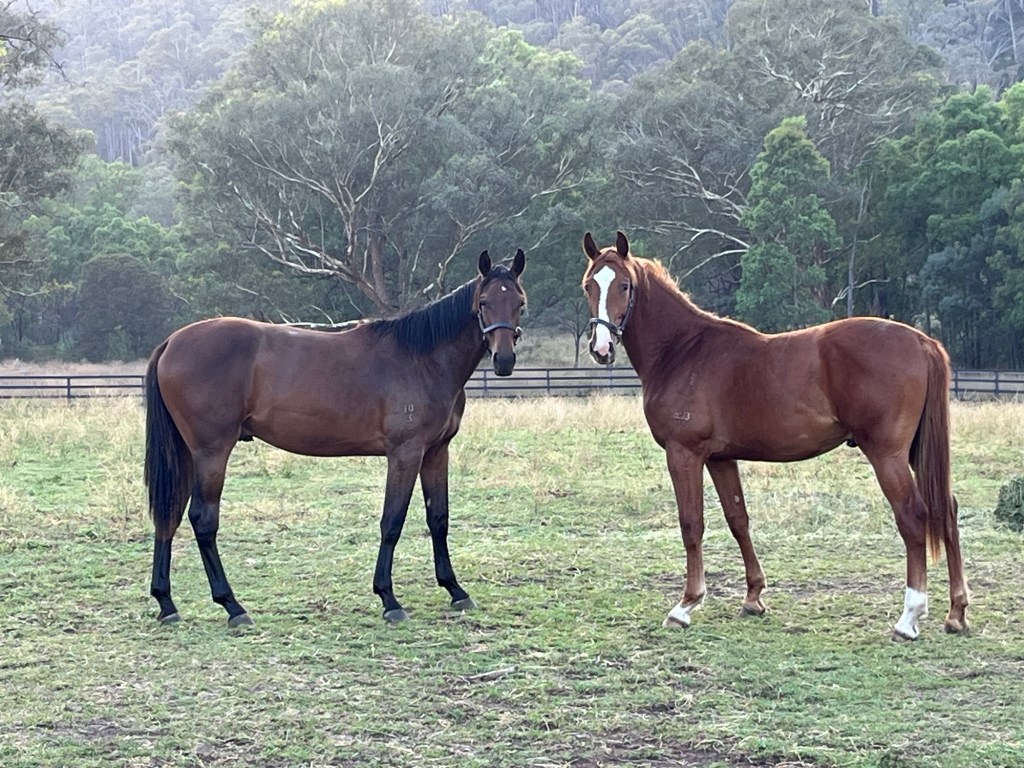
    Corelli (Cornets Prinz x Granulit) x Charcoal RJ3 (Caracas x Levenmouth Impeccable) Born 11 October 2017

    Aka ‘Calvin’ because he was born a Calvin Klein model!

    Corelli had caught my eye as young horse and was available via chilled semen, so when 2 attempts with frozen had failed, he was my immediate choice. As maiden mares generally have smaller foals, I saw his height as a bonus.

    Calvin is developing into lovely horse. His height (last measured at 17.3 3/4!) has meant that I am taking the time necessary for such a large horse to mature.

    His lovely temperament has meant that he has been used as the babysitter for travelling for quite some time. Therefore his adjustment to actually being on the ‘big kid’ team should be no trouble at all!

  • Coachella RJ3

    Concorde Ego Z (Calvaro x Carthage) x Cliche RJ3 (Caracas x Renegade Z) born 27 September 2017

    Coachella was the result of the service won by Verdelho in the 4yo Oaks Medallion 2014. Originally planned for Charcoal as Cliche was due to start her competitive career following her 1st foal. As a maiden mare Charcoal didn’t take with 2 attempts of frozen, so with 1 dose remaining, I made the the decision to try Cliche.

    Cliche being a very fertile young mare, was checked by the repro vet, ready to go, set for AI and went straight in foal.

    Her competitive career would be put on hold for another 18 months.

    Coachella was sold as a weanling, departing for WA in March 2019