It crept in through early alarms, endless responsibility, physical exhaustion, emotional investment, and the pressure of always putting others first. In an industry where the animals depend on you every single day, there are no sick days, no pause button, and rarely a moment to simply stop.
The irony?
The horses were part of the industry which was the reason I was exhausted.
The long days. The constant demands. The financial pressure. The emotional weight that comes with caring deeply.
Yet when burnout finally hit, it wasn’t the horses I wanted to walk away from.
It was everything else.
Because beneath the workload, beneath the exhaustion, the horses had always been the reason I started.
And somehow, they would become part of the reason I stayed.
Choosing the right horse is about more than talent. Temperament, rideability, and suitability for the rider’s goals are equally important.
A talented horse placed with the wrong rider may struggle, while the right partnership allows both horse and rider to thrive. Honest assessment and thoughtful matching help ensure long-term success and enjoyment.
At RJ3 Sport Horses, we value placing our horses in homes where they can reach their full potential.
A successful show jumping career is measured in years, not just results. Breeding and producing horses with longevity in mind means prioritising correct conformation, steady development, and mental wellbeing.
Rushing young horses may yield short-term success, but thoughtful production builds athletes capable of long, rewarding careers.
At RJ3 Sport Horses, our focus remains on producing horses that stay happy, sound, and competitive for the long term.
Preventative care is key to maintaining soundness in show jumping horses. Regular farriery, dental checks, physiotherapy, and veterinary oversight all contribute to long-term performance.
Addressing minor issues early can prevent bigger problems later. Consistent routines and professional support help keep horses comfortable, willing, and competitive.
Soundness is not accidental—it’s the result of careful, proactive management.
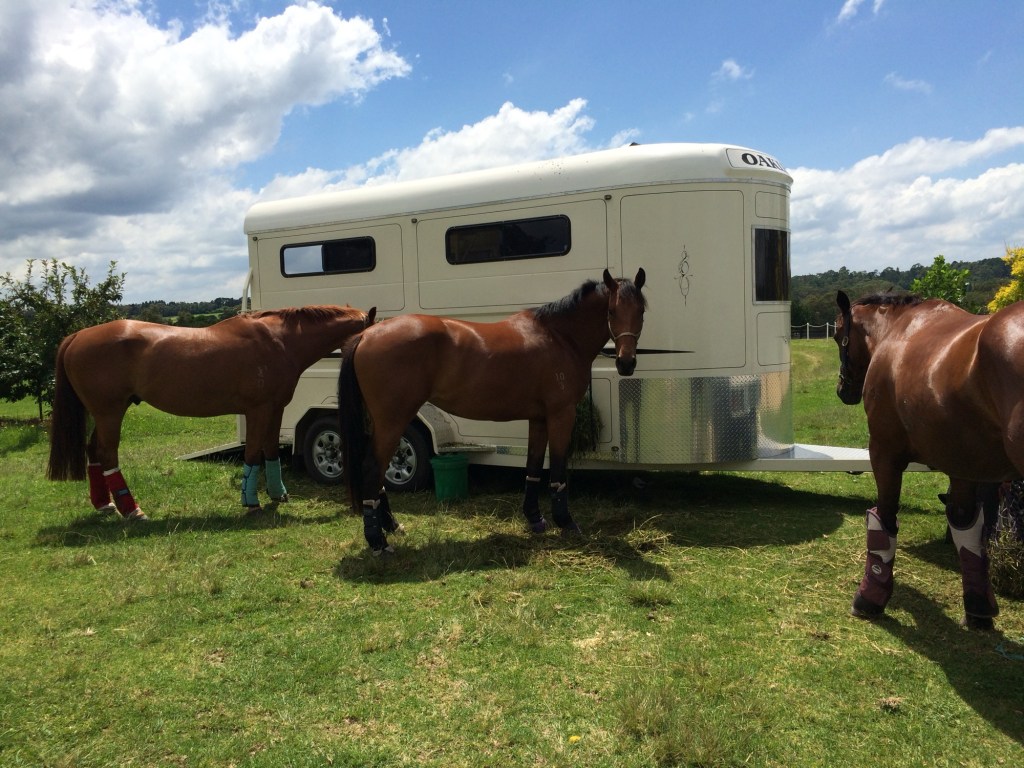
Turnout plays a vital role in the physical and mental wellbeing of show jumping horses. Regular time outside supports joint health, muscle development, and mental relaxation.
Horses that enjoy adequate turnout often show improved focus under saddle and reduced stress behaviours. Whether young stock or competition horses, freedom of movement is essential for long-term soundness.
Balanced management includes both structured training and time to simply be a horse.
The beauty of being in Australia, means this is not a common problem, but it is something we should always be aware of.
Producing a young show jumper is a process that rewards patience. Correct basics, light work, and progressive training allow horses to develop strength and understanding without physical or mental overload.
Introducing jumping should be done gradually, focusing on rhythm, straightness, and confidence rather than height. Giving young horses time to mature reduces injury risk and builds a more reliable athlete.
At RJ3 Sport Horses, our goal is to produce horses that enjoy their job and remain sound throughout their careers.
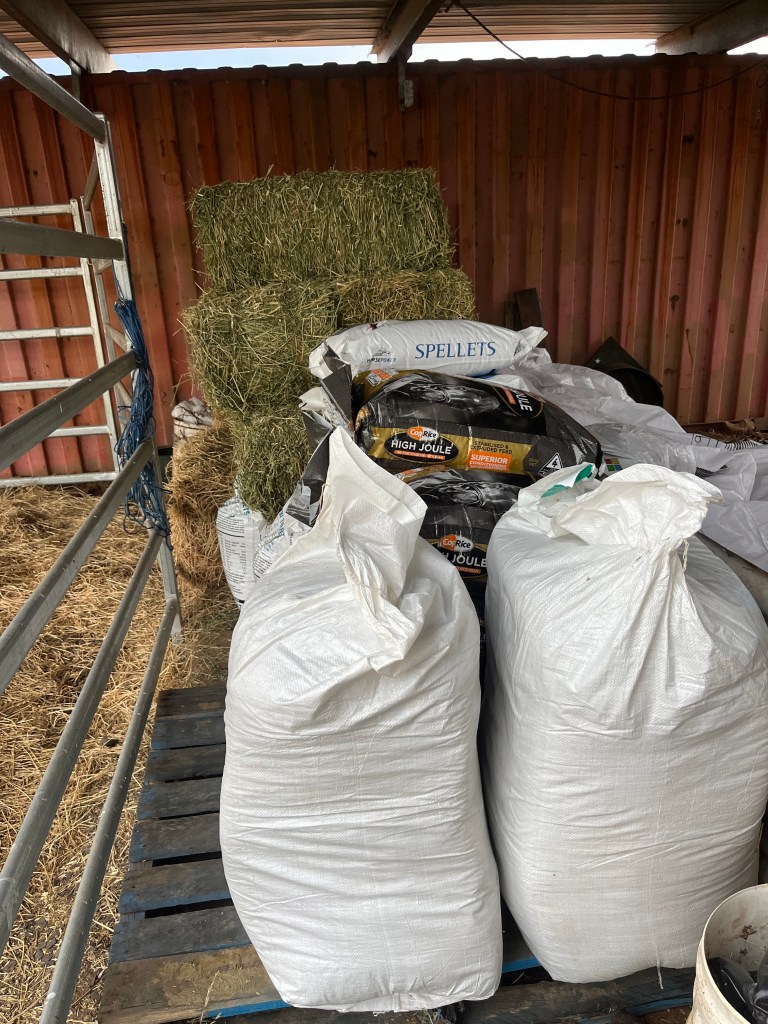
Proper nutrition is critical during a young horse’s growth years. Balanced feeding supports bone development, muscle growth, and overall soundness—key factors for a future jumping career.
Young sport horses require high-quality forage, appropriate protein levels, and carefully balanced minerals. Overfeeding can be just as detrimental as underfeeding, increasing the risk of developmental issues.
A tailored nutrition plan, adjusted as the horse matures, helps ensure steady growth and long-term health. Nutrition is not about quick results—it’s about setting horses up for sustainable performance.
As someone who’s been working with horses for a lifetime, I’ve recognized for years that training a spoiled horse feels like fighting a cancer of the mind. It’s incredibly rewarding once the spoiled mind has been healed. We just hope it’s not re-infected by the original behavior shaper.
We’re about to talk about: how they are created, how to spot them, and how to fix them!
Cause Spoiled is not about kindness, treats, and comfort. Spoiling is: RELIEF WITHOUT RESPONSIBILITY! ie: not focusing or understanding the desired end result for the horse’s future and those who will come into contact with it in future.
A spoiled horse is: ▫️ Protected from pressure ▫️ Rescued from discomfort ▫️ Rarely asked to adapt
They don’t learn: ▫️ Emotional regulation ▫️ Cause and effect ▫️ How to try through confusion
What They Look Like Low resilience + high entitlement + fragile nervous system.
They often look confident or bold, but internally they are: ▫️ Easily overwhelmed ▫️ Easily offended ▫️ Easily shut down or explosive
The mentality they carry: “I shouldn’t have to.” “This feels unfair.” “Someone else will fix this.”
Nervous system response: ▫️ Low tolerance for frustration ▫️ High reactivity to pressure ▫️ Poor recovery after stress
They never learned how to stay mentally present when things got hard.
Typical spoiled horse behaviors: -Won’t stand tied -Pushy in personal space -Explosive over small corrections -Selectively obedient -Lazy until suddenly reactive -Refuses before it tries -Melts down over small things -Shuts off instead of working through confusion
Horses do not do these things because they are “bad”, they do them because they never learned how to COPE.
Spoiled horses are anxious and not confident. Reasons being: ▫️ They often overreact ▫️ They don’t trust their own ability ▫️ They rely on others to regulate their world
At times they may appear dominant, lazy, or entitled. But under all that is crippling fear and a huge lack of confidence. This is where their dramatic spooking comes from when their comfort bubble is popped.
How To Fix Them The three biggest things that WILL NOT WORK to fix a spoiled horse: ❌ More pressure suddenly ❌ More softness ❌ Inconsistency
What WILL WORK to fix a spoiled horse: 💚 Predictable structure
We need to offer our horses consistent training with the same rules and clear expectations. 💚 Gradual discomfort
They need small manageable challenges with no rescuing. They need to feel the frustration and learn to think through it. 💚 Teaching the effort ➡️ relief connection
Trying = Relief
Avoiding = Work 💚 Emotional neutrality (from trainer)
Our part: no anger, no pleading and no guilt. 🙅🏻♂️
Calm, boring, consistency is what will rewire your spoiled horse into your ultimate partner. 💪🏼
What you’ll get: 🐴 Calm under pressure 🐴 Confidence with understanding 🐴 Willing and not reactive 🐴 Trust in you as a leader
Good trainers aren’t just training movement. They’re training nervous systems. The more you understand about a spoiled mind the more you can avoid or even fix it. FYI humans experience it much the same way. 😉
 RJ3 Sport Horses